


Code the hardware. Fly the solutions. Solve real problems.
Teams get Pluto Drone hardware, our Python library and tools, mentors on the floor, and a problem statement that actually has to fly.
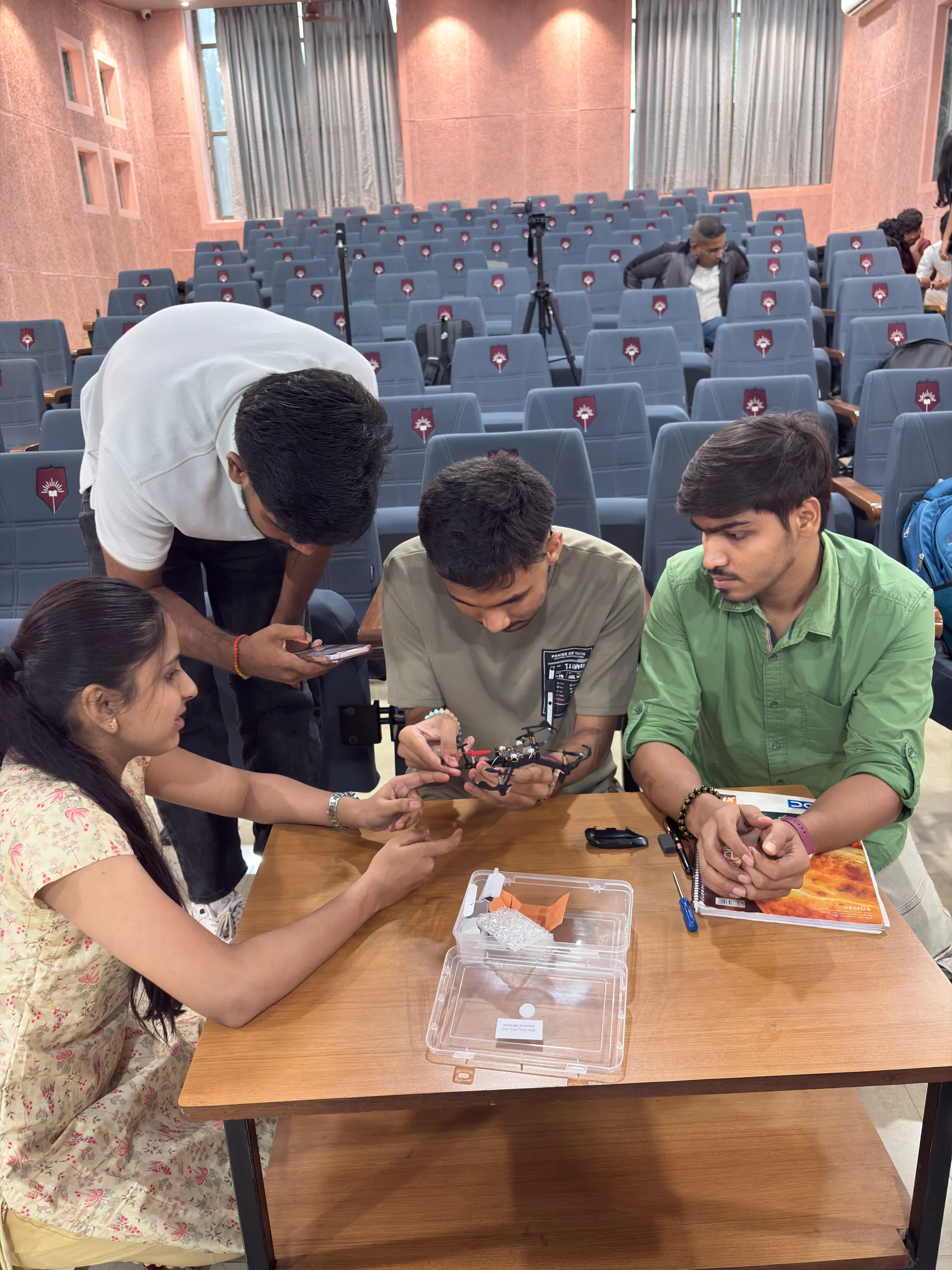
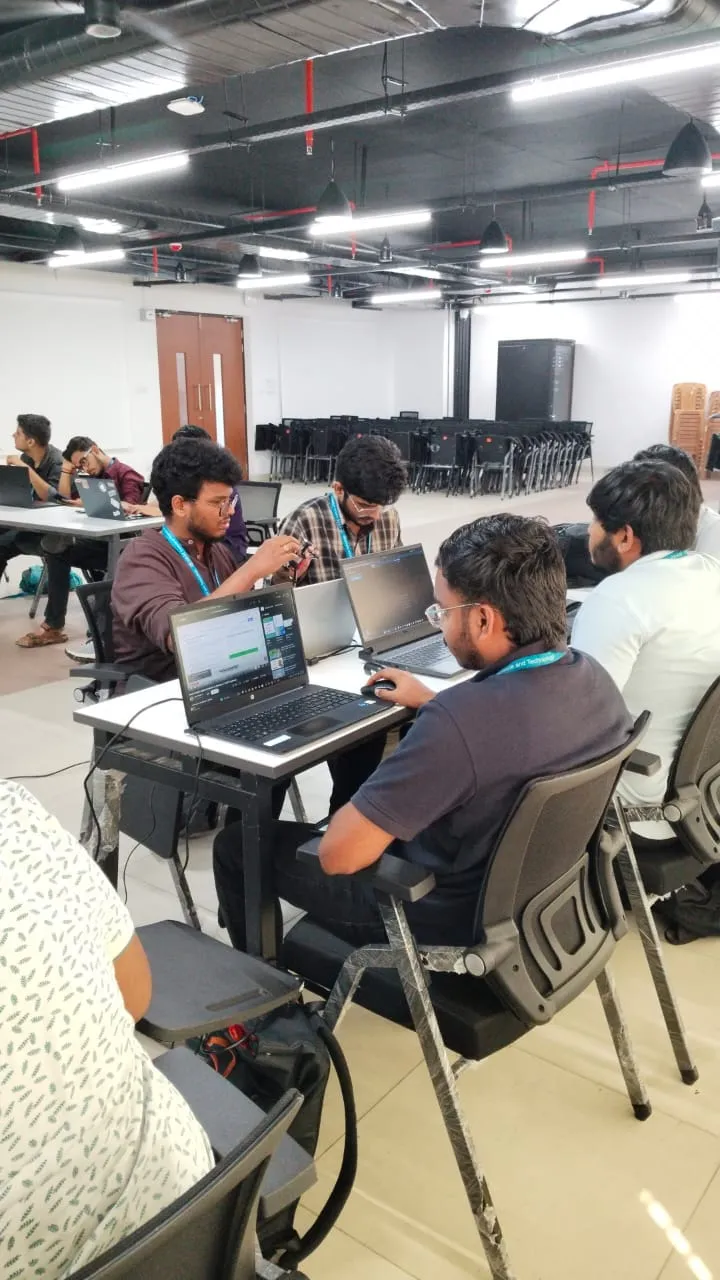
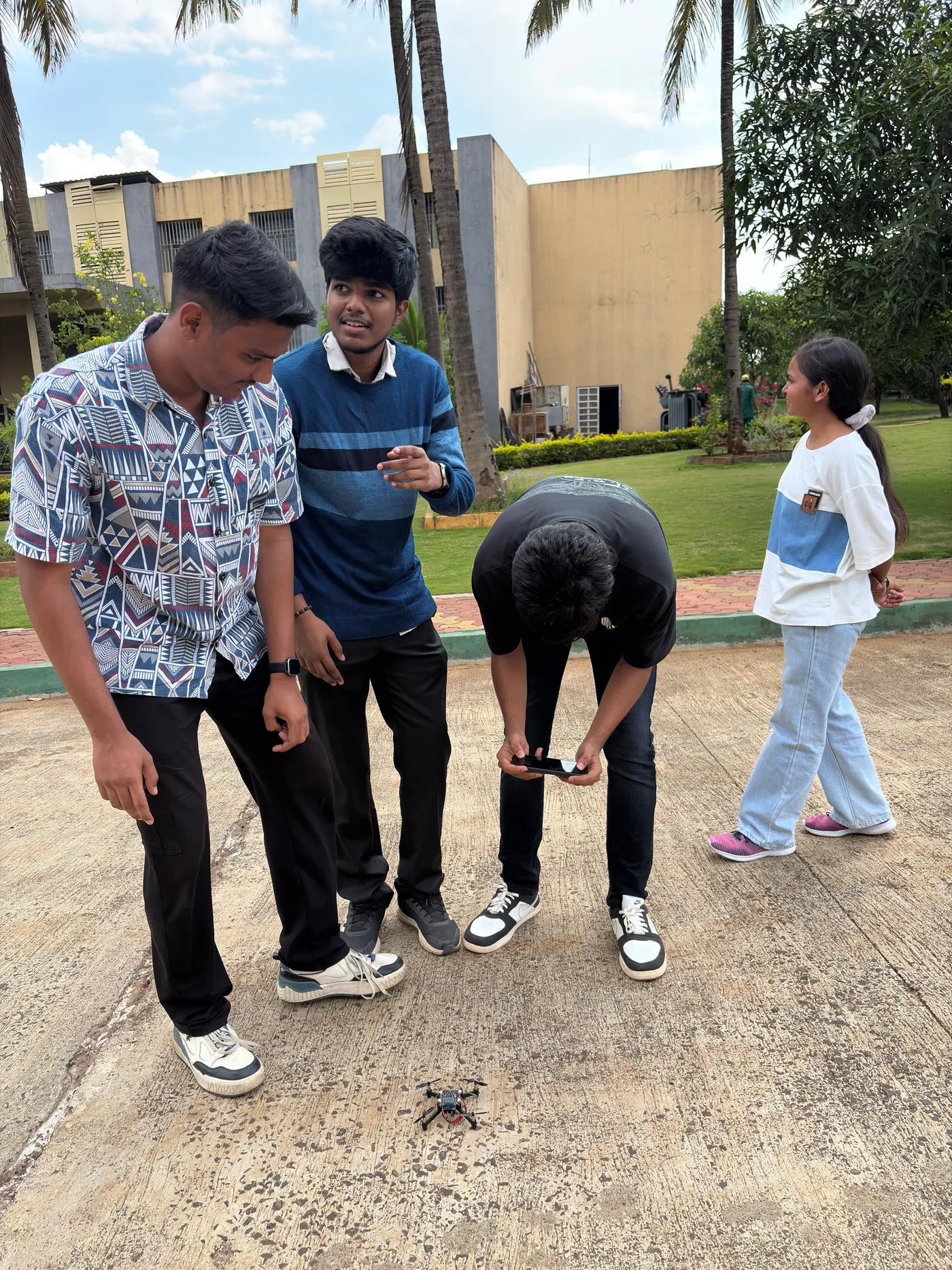
Real hardware, zero simulators. Teams program a Pluto Drone fleet with on-floor mentors. Judging happens in the air.
Themes we cover
Every theme runs on one platform — Pluto Drones. Pick the ones that fit your domain, sponsors and time budget, or mix them into your own challenge.
Autonomous Drones
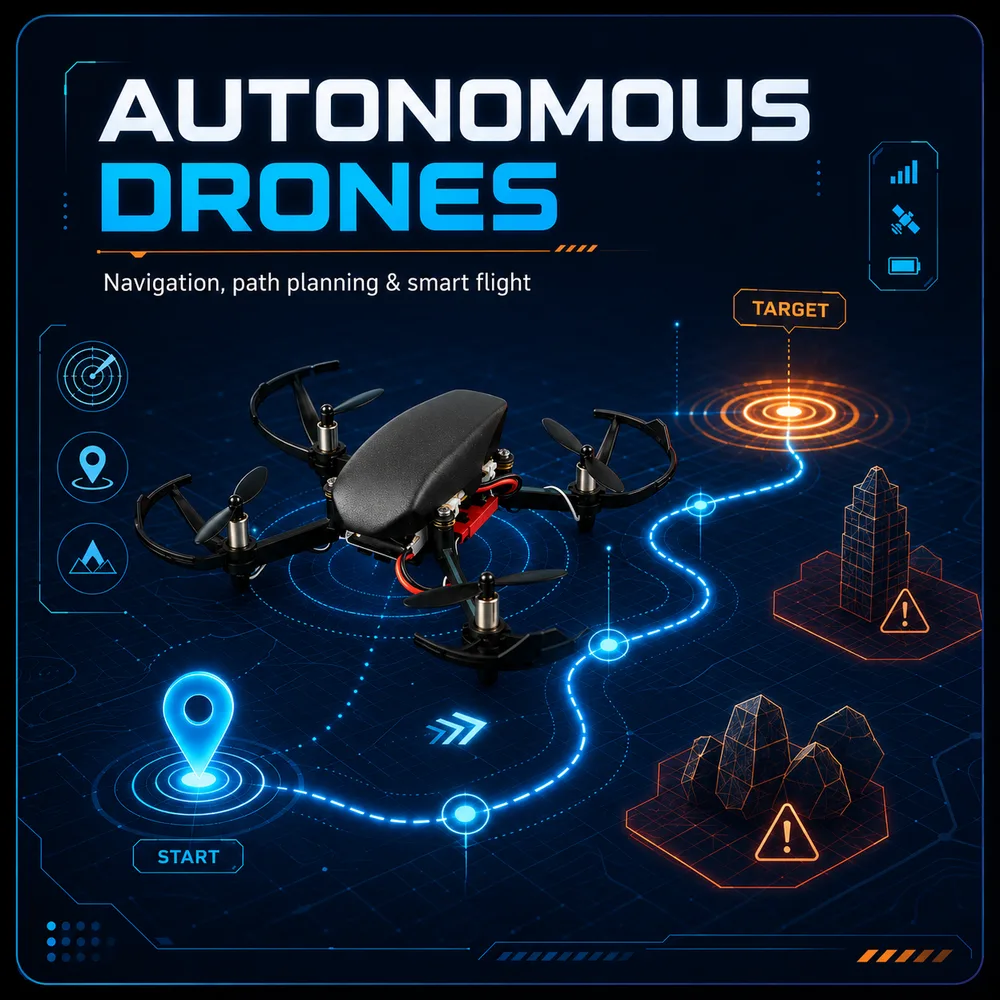
Navigation, obstacle avoidance, path planning, precision landing, full autonomous missions.
Drone Programming
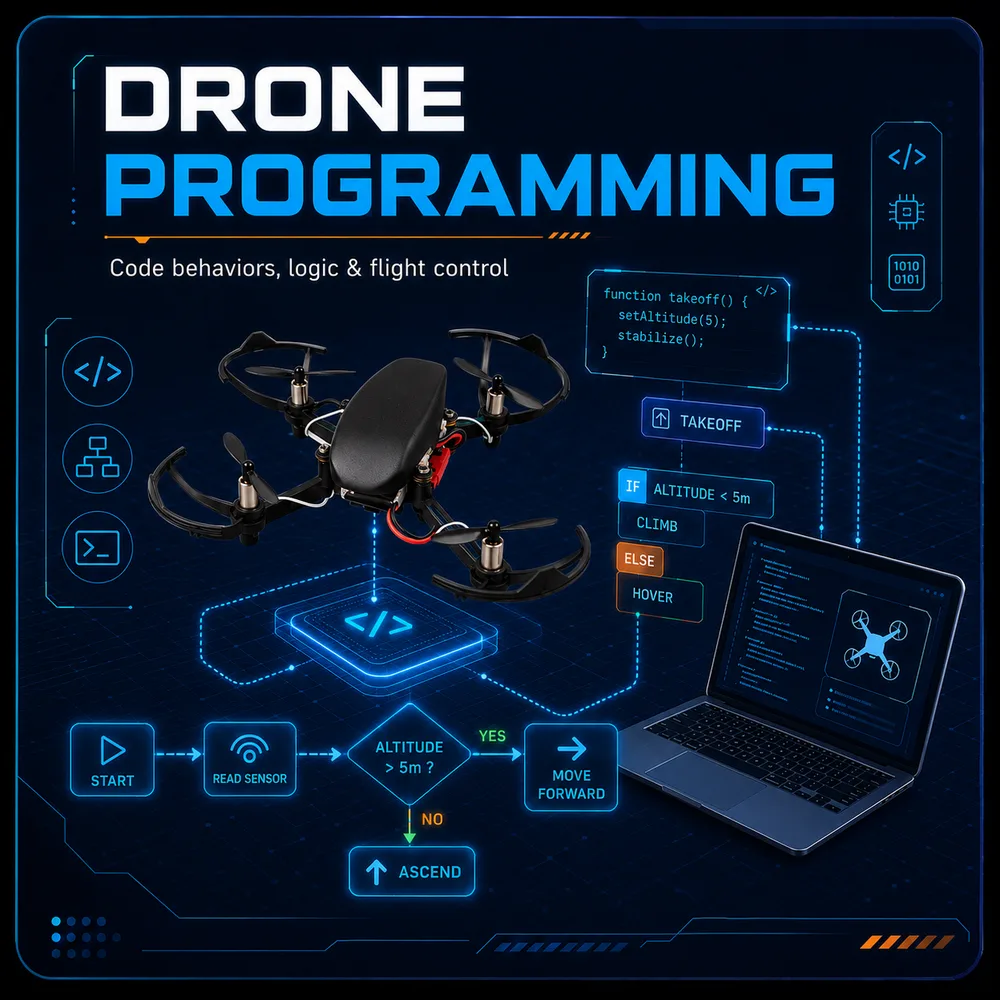
Program it your way: PlutoBlocks for visual coding, plutocontrol for Python, or ROS.
Sensors & Data Collection
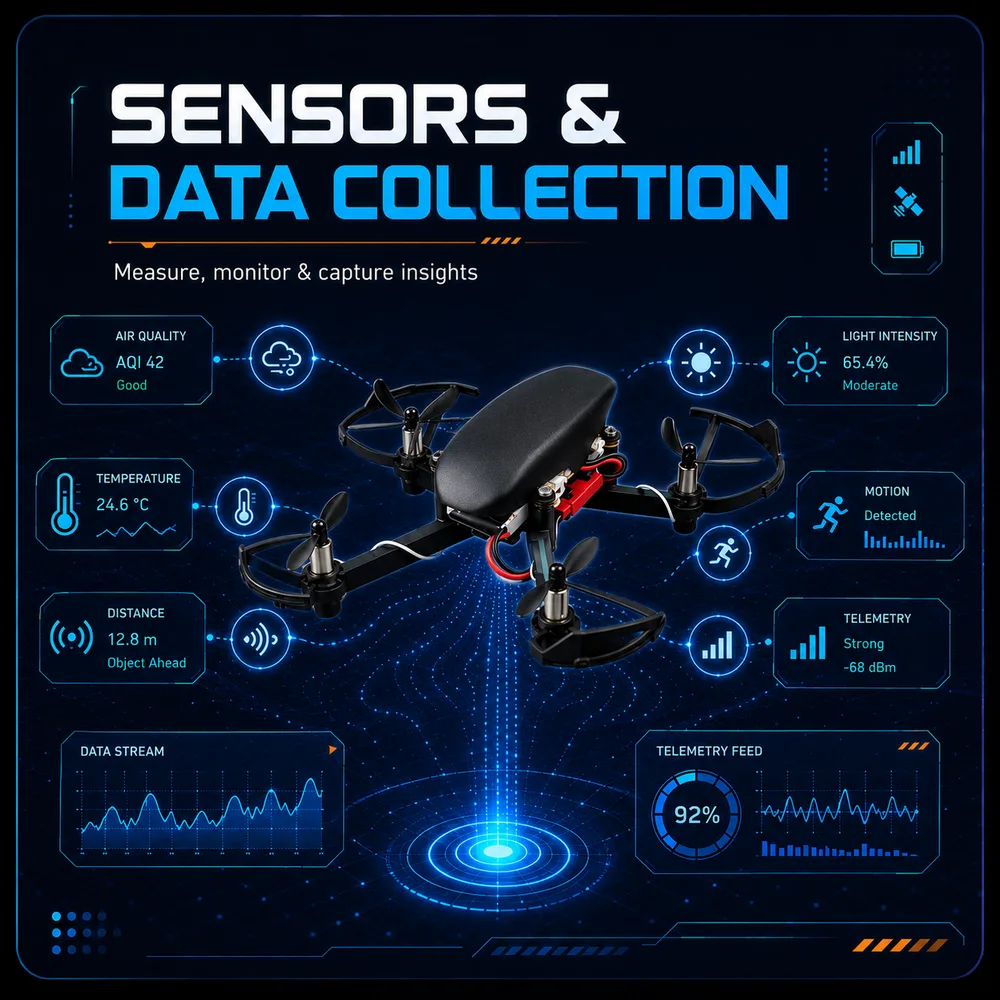
Build applications on environmental, distance, motion, light and air quality sensors.
AI & Computer Vision
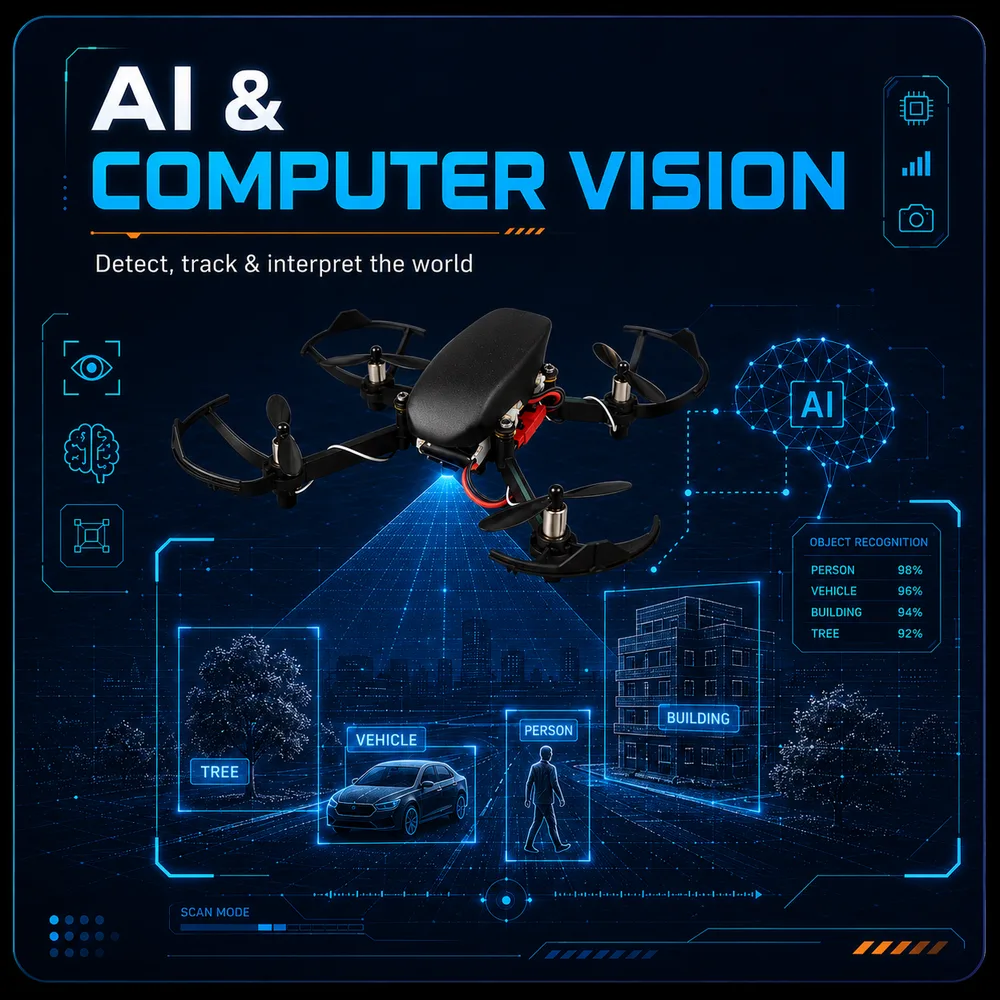
Object detection, tracking, image processing, gesture control, vision-based flight.
Drone Design & Engineering
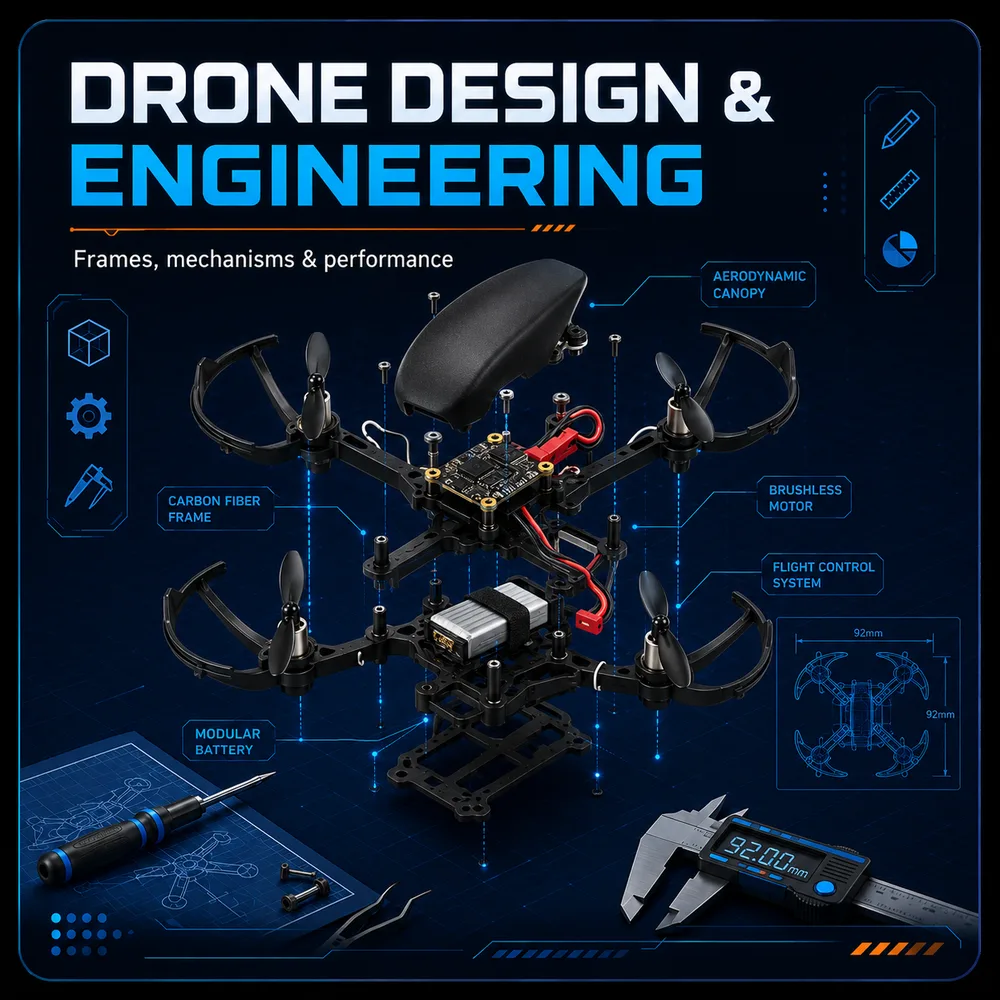
New frames, mechanisms, payload systems and accessories. The Frame Challenge track.
Flying is the easy part.
Teams are flying inside the first hour. PlutoBlocks for visual coding, the plutocontrol library for Python, ROS for the ambitious, and MagisV2 firmware fully open source underneath.
- ▸PlutoBlocks drag-and-drop flight logic, zero setup
- ▸plutocontrol Python library for scripted missions
- ▸ROS support for teams that want the deep end
- ▸MagisV2 flight firmware, fully open source
from plutocontrol import Plutodrone = Pluto()drone.connect()drone.arm()drone.take_off()drone.forward(distance=120)drone.rotate(90)drone.land()From the floor
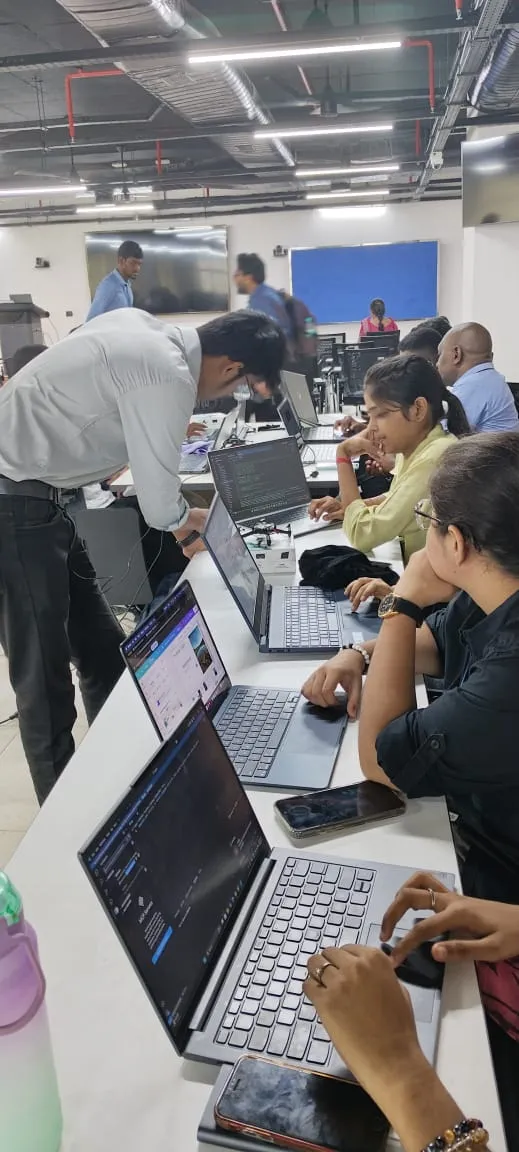
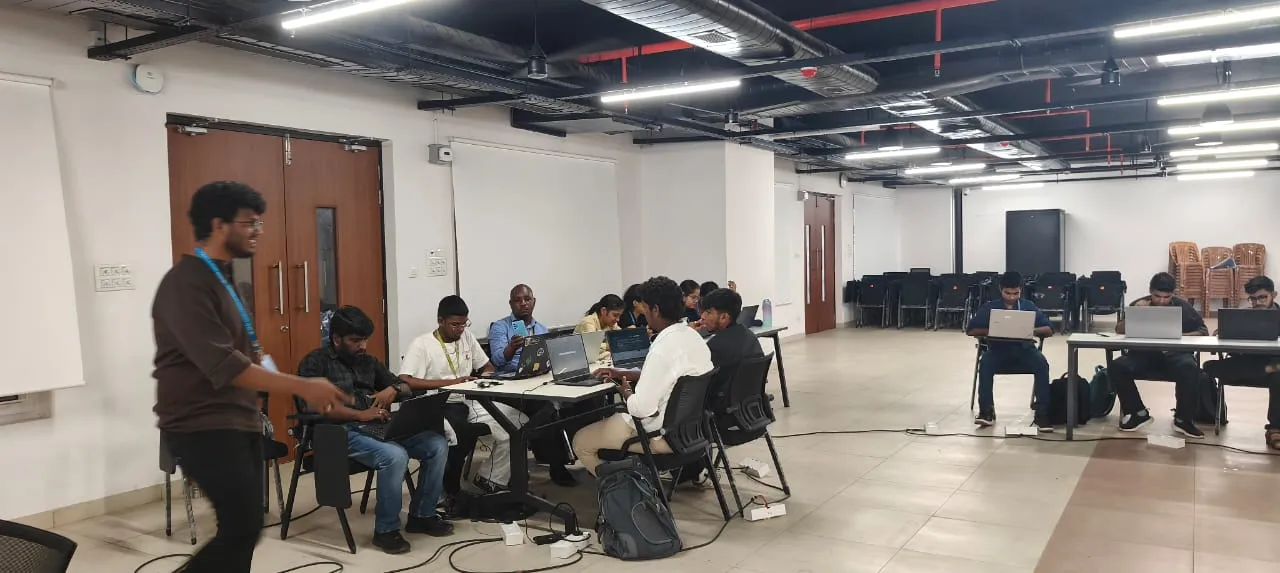
Questions coordinators ask
No. Beginners can start with PlutoBlocks visual coding, most teams work in Python via the plutocontrol library, and firmware-level changes are in C++ with MagisV2. Docs and mentors cover all of it.
All of them. Drones are inherently multidisciplinary — mechanical, aeronautical, electronics and embedded, computer science, AI and design all have a natural place. Mixed-department teams often do the best work.
Yes. Any department or club can host, and non-technical students can contribute through the visual PlutoBlocks track, design and CAD, data and documentation, or project management. We tailor the tracks to the group — reach out and we will shape it to fit.
Reach out to us[X–X] per team. It keeps everyone on the hardware instead of watching one laptop.
Participants own what they build. We do not claim rights to team projects.
Yes. We need a hall for teams and a netted area for test flights.
Depends on fleet size, duration and mentor count. Request a quote and we will get back with a proposal.
Request ProposalPut a drone hackathon on your campus.
Tell us your dates, track ideas and fleet size — we will come back with a proposal.